











Explore our library of webinars, case studies and articles designed to help you solve microbial challenges with clarity and confidence. From practical how-tos to in-depth research, these resources give you the knowledge to make better decisions, faster.
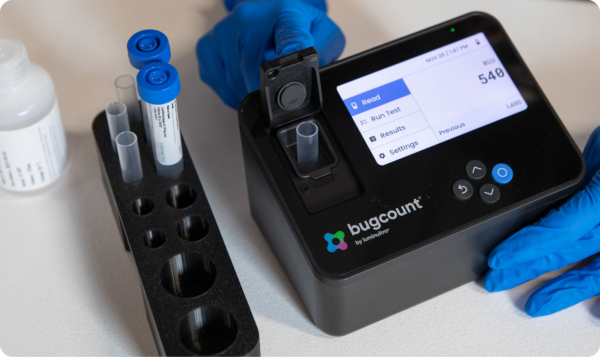
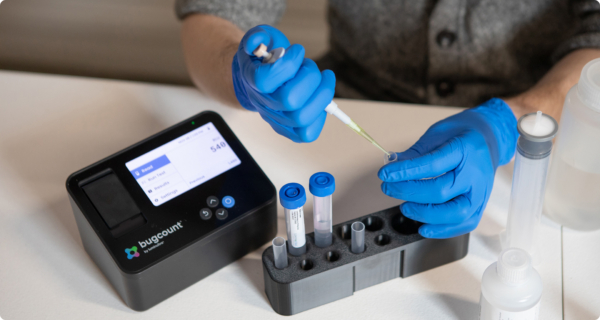
Luminultra introduces the Bugcount® analyzer ATP measurement platform, redefining the standard in microbial testing
The company’s flagship product combines 30 years of microbial expertise with trusted user feedback to produce a next-generation device built to streamline testing, accelerate decisions and strengthen control across critical systems.
Bugcount ,
Wastewater treatment , Drinking water , Legionella management , Microbial contamination , Efficiency loss and biofilm buildup , Biocide management and optimization , Protect product quality , Keep lines running , Stay ahead of MIC , Keep source water clean , Protect reservoir quality , Prevent biofilm build-up , Optimize biocide performance , Commercial aviation , Non-commercial aviation , Marine , Fuel storage ,
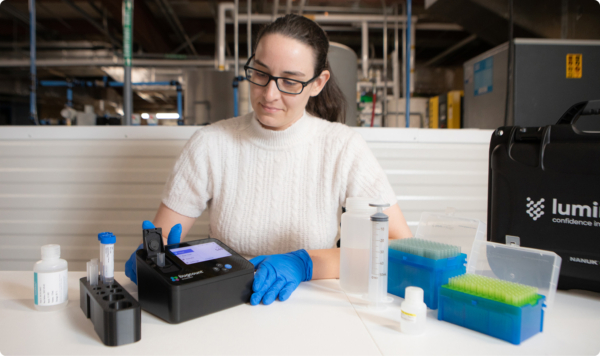
Upcoming webinar / Bugcount® analyzer: a live product demonstration
Tuesday, March 31 2:30 p.m. ET Register now Join Luminultra for a live demonstration of the new Bugcount® One ATP Analyzer, our latest platform for rapid microbial monitoring.
Bugcount ,
Wastewater treatment , Drinking water , Legionella management , Biocide management and optimization , Stay ahead of MIC , Keep source water clean ,
We bring microbial expertise and deep industry knowledge together to help you solve complex challenges and make confident decisions.


Whether you’re in the lab or in the field, we’re here to help you keep the work on track.

I need help getting started
Have a general inquiry or just need some direction? Send us your question and we’ll get you an answer

I need customer support
Need help with a product or test? Our customer experience team can help


A practical primer on using DNA-based microbial diagnostics in oil and gas operations
DNA-based microbial diagnostics, such as quantitative PCR (qPCR) and next-generation sequencing (NGS), are increasingly used as routine tools in oil and gas operations. When combined with ATP testing, these methods allow operators and service companies to better understand microbial risks and apply targeted mitigation strategies as part of everyday field and facility workflows.
At their core, microbial diagnostics help answer two basic questions: how much microbial activity is present and which microbes are responsible. Together, these answers support better decisions related to production assurance, asset integrity and chemical program design.
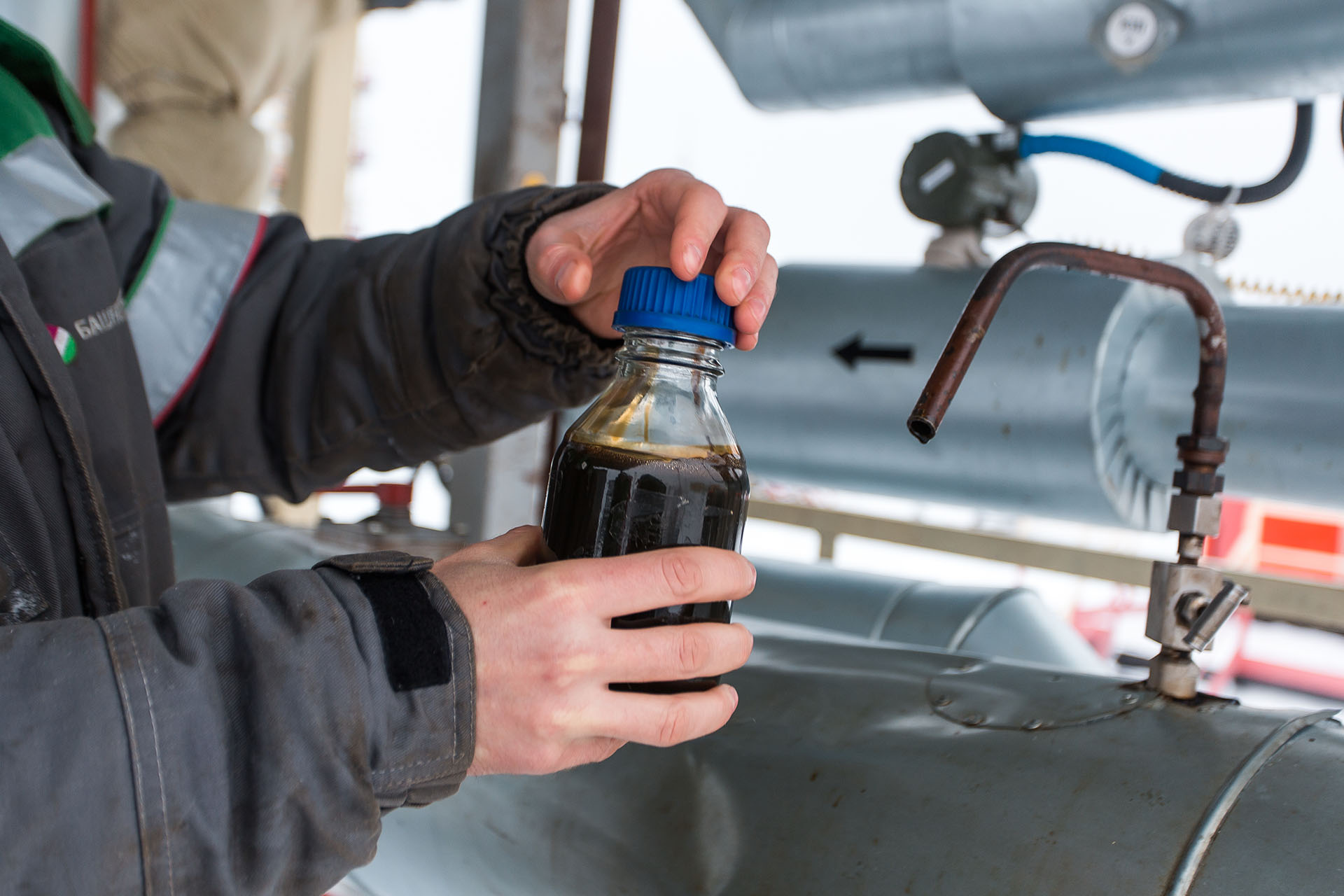
How microbes impact oilfield systems
Problematic microbes have 3 potential impacts on oilfield systems:
Reservoir souring (H₂S)
- Higher operating expenses due to interventions and H₂S scavenger use
- Higher capital costs associated with sour service requirements
- Lost revenue from production devaluation
- Formation of iron sulfide (FeS) scale
Microbiologically influenced corrosion
- Deterioration of material caused by microbial metabolism
- Indirect corrosion (chemical, H₂S)
- Direct corrosion (electron theft)
- Significant asset integrity concern
Biofouling and flow assurance challenges
- Biofilm accumulation leading to clogging and solids buildup
- Impacts pipelines, facilities and the formation
- Increased operating pressures and reduced efficiency
Microbial diagnostic tools for oil and gas operations
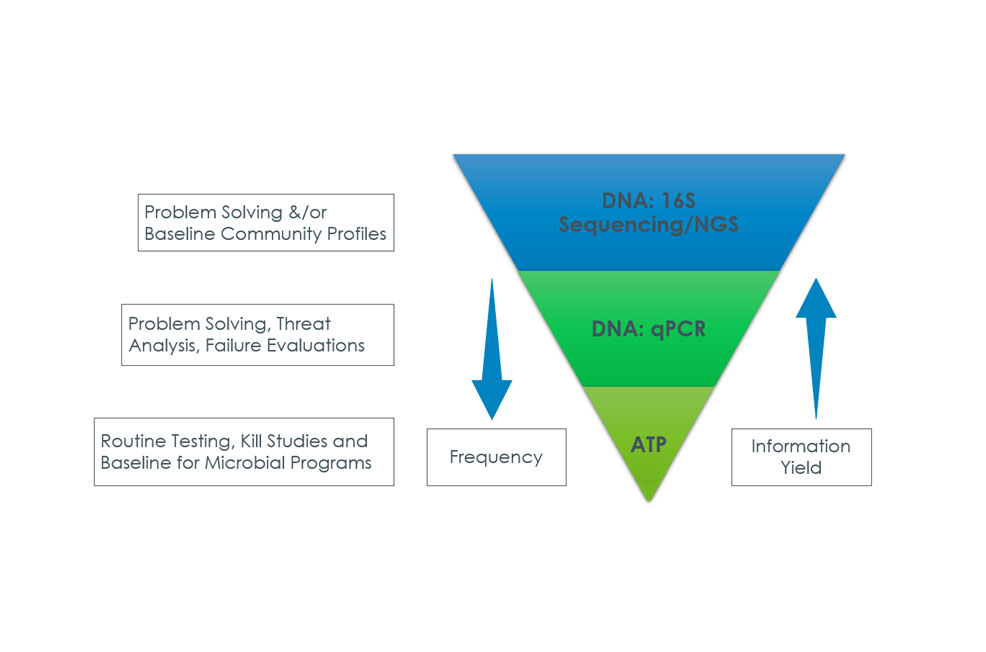
Microbial testing technologies enable the evaluation of microbial threats to an oilfield system and the application of data-driven mitigation strategies. Luminultra offers three unique microbial diagnostic tools in its toolkit, each with a different information yield and use case.
Adenosine triphosphate (ATP) and DNA testing technologies are complimentary. Together they tell the story of microbial threat assessment:
- ATP testing answers the question: how many living organisms are present?
- DNA testing (qPCR and NGS) answers the question: which microbes are present (threatening or benign)?
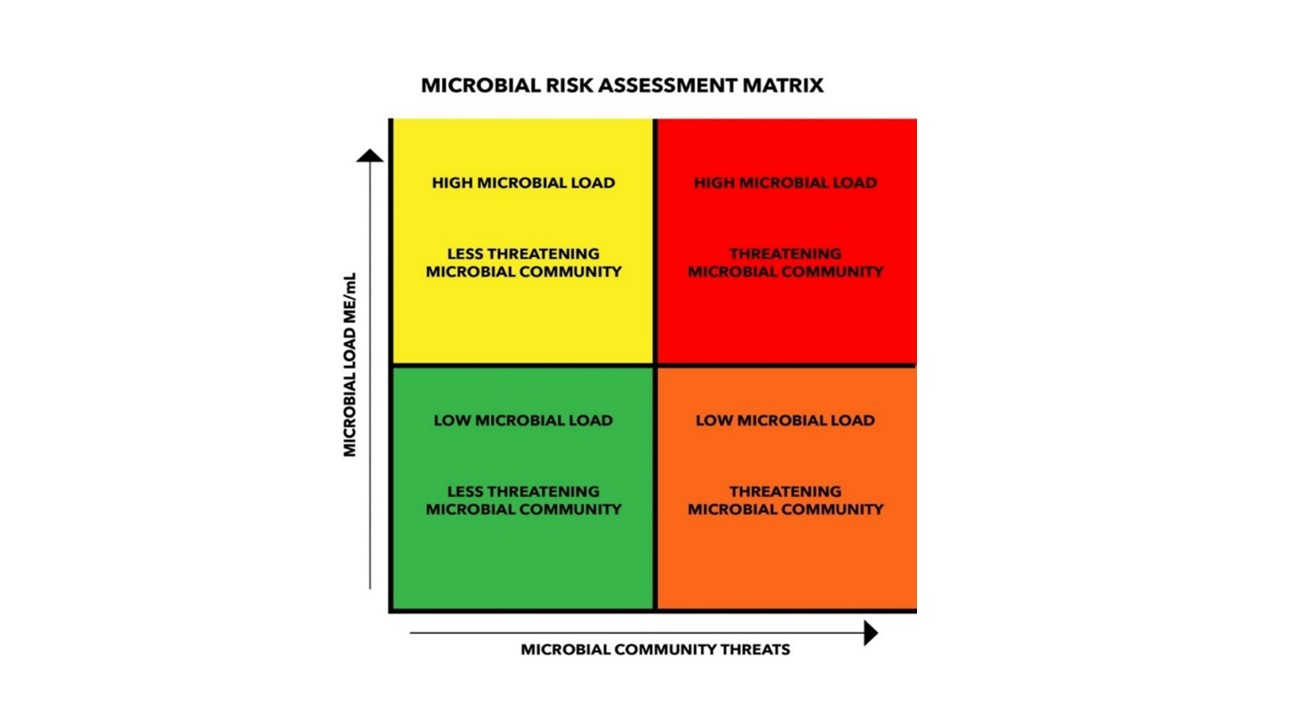
Why ATP and DNA testing work best together
Knowing one without the other is only a part of the story. For example, a high microbial load may not be a major threat if the community composition is largely benign and aerobic bacteria. When assessing microbial threats, we want to capture data that tells us both microbial load (ATP) and microbial community composition (qPCR or NGS).
Practical applications of DNA-based diagnostics in oil and gas
Source water evaluation for frac and waterflood operations
Recycled produced waters often carry high microbial loads. ATP testing helps quantify this load, while qPCR identifies specific microbial threats. This data supports the design of effective biocide programs and reinforces the need for a robust chemical strategy. Pairing diagnostics with a biocide selection study further enhances treatment effectiveness.
Asset integrity and MIC risk assessment
Asset integrity programs require confidence in corrosion diagnostics and corrosion risk assessment. DNA testing technologies can confirm if MIC-relevant microbes are present in the system, posing a corrosion risk. Luminultra’s qPCR MIC panel, with recently discovered corrosion qPCR biomarkers (micH and micC), are designed to proactively identify hotspots and assets at risk of a MIC-type failure.
Field surveys and production chemical optimization
A layered data approach allows a district manager to narrow down the origin of microbial threats, or track and trend changes. For example, DNA testing technologies are applied at a central battery that is experiencing upsets or poor performance and if a threat is identified, work backwards by using these steps:
- Apply ATP in a complete sweep of the gathering system to identify microbial hotspots
- Confirm hotspots are the point of problematic microbial ingress with DNA
- Focus and optimize mitigation efforts where it counts
Final takeaway: turning microbial data into action
DNA-based microbial diagnostics are practical tools for daily oilfield operations, not just for investigations. When used alongside ATP testing they provide clear insight into microbial activity and risk. This combined approach supports better decision-making, stronger asset integrity programs and more efficient production chemistry strategies for both operators and service companies.
About Marc
Marc Demeter is Luminultra’s Director of Market Development for Oil & Gas, bringing more than a decade of expertise in applied microbiology to industry leaders. Known for his engaging approach to training and education, Marc leads Luminultra’s Polytechnic program, turning complex microbiological concepts into clear, strategic insights that help oilfield professionals protect critical infrastructure, optimize operations, and stay confidently ahead of microbial challenges.
Explore Luminultra resources
Make confident decisions with trusted expertise.
Discover webinars, whitepapers and expert articles focused on microbial control.
Luminultra introduces the Bugcount® analyzer ATP measurement platform, redefining the standard in microbial testing
The company’s flagship product combines 30 years of microbial expertise with trusted user feedback to produce a next-generation device built to streamline testing, accelerate decisions and strengthen control across critical systems.
Bugcount ,
Wastewater treatment , Drinking water , Legionella management , Microbial contamination , Efficiency loss and biofilm buildup , Biocide management and optimization , Protect product quality , Keep lines running , Stay ahead of MIC , Keep source water clean , Protect reservoir quality , Prevent biofilm build-up , Optimize biocide performance , Commercial aviation , Non-commercial aviation , Marine , Fuel storage ,
Webinar on demand | Oilfield Microbiology 101 – Foundations for microbial control in oil and gas
Bugcount , Genecount , Labs ,
Stay ahead of MIC , Keep source water clean , Protect reservoir quality , Prevent biofilm build-up , Optimize biocide performance ,

Download our Kill Study Template to optimize your biocide strategy
Download our free, easy-to-use tool to help you plan, setup and execute a biocide selection kill study.
Bugcount ,
Optimize biocide performance ,

When it comes to microbes, “everything is everywhere”
Marc Demeter, our Director of Market Development, shares his expertise on managing microbial threats in the oil and gas industry.
Polytechnic ,
Stay ahead of MIC , Keep source water clean , Protect reservoir quality , Prevent biofilm build-up , Optimize biocide performance ,
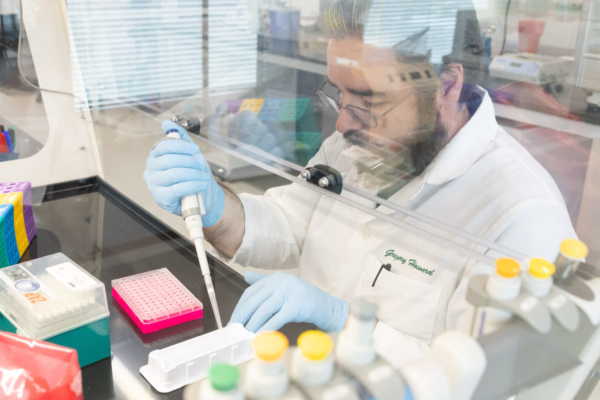
Registration now open for Polytechnic Denver
November 4, 2025 | Register now
Polytechnic ,
Stay ahead of MIC , Keep source water clean , Protect reservoir quality , Prevent biofilm build-up , Optimize biocide performance , Unified testing and reporting ,

Meet Marc Demeter: Your microbial ally in oil & gas
In oil & gas, managing invisible threats means high-stakes decisions every day. That’s why Luminultra is thrilled to introduce Marc Demeter, our Director of Market Development for Oil & Gas.
Polytechnic ,

Luminultra and J&L Labs partner to expand oilfield molecular testing in the Permian
Our work with J&L allows us to expand that impact, bringing these purpose-built tools to a wider market that’s looking to stay ahead of microbial threats.
Genecount , Labs ,
Stay ahead of MIC , Keep source water clean , Protect reservoir quality , Prevent biofilm build-up , Optimize biocide performance ,

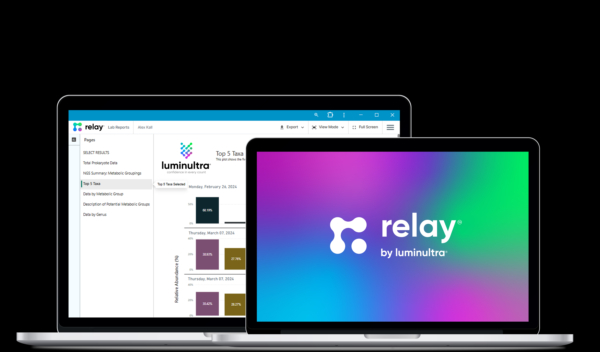
Relay™ by Luminultra
Relay™ is a value-add software tool that simplifies and guides your ATP testing, available at no cost to all customers.
Relay ,
Luminultra Polytechnic launches, bringing more practical, data-driven microbiology to the field
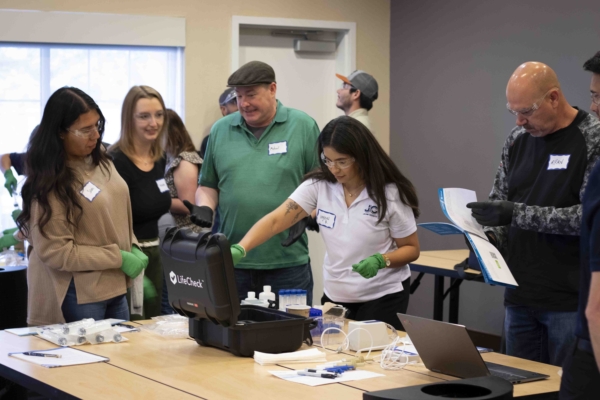
Luminultra Polytechnic relaunches in Midland, Texas, offering hands-on microbiology training for oilfield professionals.
Polytechnic ,
Unified testing and reporting ,
Luminultra joins joint industry project Seriatim VI to advance microbial souring research in energy sector
We are proud to announce our participation in Seriatim VI, a globally recognized Joint Industry Project (JIP) led by Rawwater.
Bugcount , Genecount , Labs ,
Protect reservoir quality ,