













Explore our library of webinars, case studies and articles designed to help you solve microbial challenges with clarity and confidence. From practical how-tos to in-depth research, these resources give you the knowledge to make better decisions, faster.
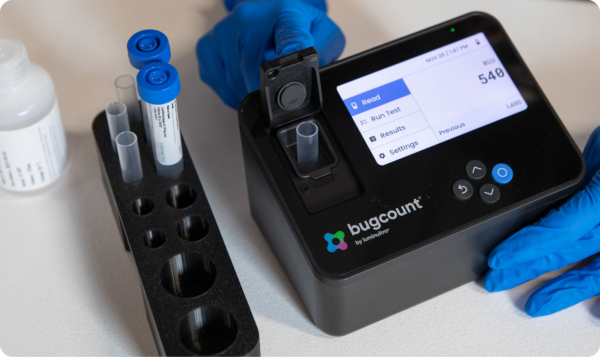
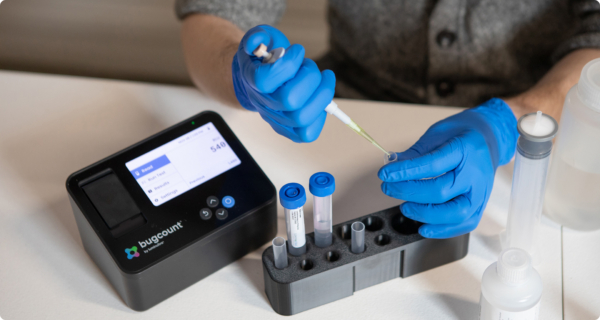
Luminultra introduces the Bugcount® analyzer ATP measurement platform, redefining the standard in microbial testing
The company’s flagship product combines 30 years of microbial expertise with trusted user feedback to produce a next-generation device built to streamline testing, accelerate decisions and strengthen control across critical systems.
Bugcount ,
Wastewater treatment , Drinking water , Legionella management , Microbial contamination , Efficiency loss and biofilm buildup , Biocide management and optimization , Protect product quality , Keep lines running , Stay ahead of MIC , Keep source water clean , Protect reservoir quality , Prevent biofilm build-up , Optimize biocide performance , Commercial aviation , Non-commercial aviation , Marine , Fuel storage ,
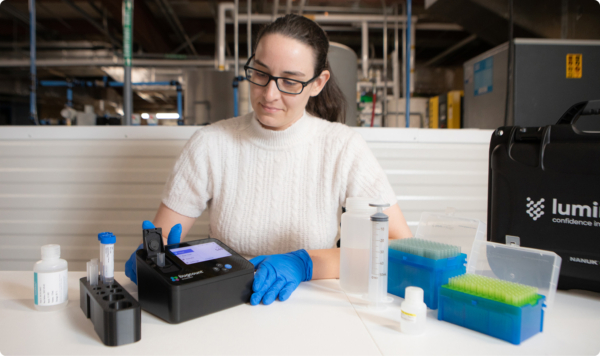
Upcoming webinar / Bugcount® analyzer: a live product demonstration
Tuesday, March 31 2:30 p.m. ET Register now Join Luminultra for a live demonstration of the new Bugcount® One ATP Analyzer, our latest platform for rapid microbial monitoring.
Bugcount ,
Wastewater treatment , Drinking water , Legionella management , Biocide management and optimization , Stay ahead of MIC , Keep source water clean ,
We bring microbial expertise and deep industry knowledge together to help you solve complex challenges and make confident decisions.


Whether you’re in the lab or in the field, we’re here to help you keep the work on track.

I need help getting started
Have a general inquiry or just need some direction? Send us your question and we’ll get you an answer

I need customer support
Need help with a product or test? Our customer experience team can help


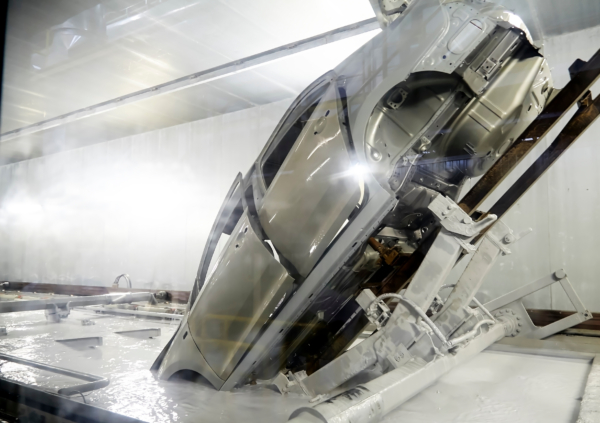
Costs and consequences of contaminated e-coat fluid in automotive manufacturing
Electrocoating (e-coat) is a cornerstone of modern automotive manufacturing, providing corrosion resistance and a uniform primer layer before painting. However, when the e-coat fluid becomes contaminated, the ripple effects can be severe—impacting product quality, operational efficiency and profitability.
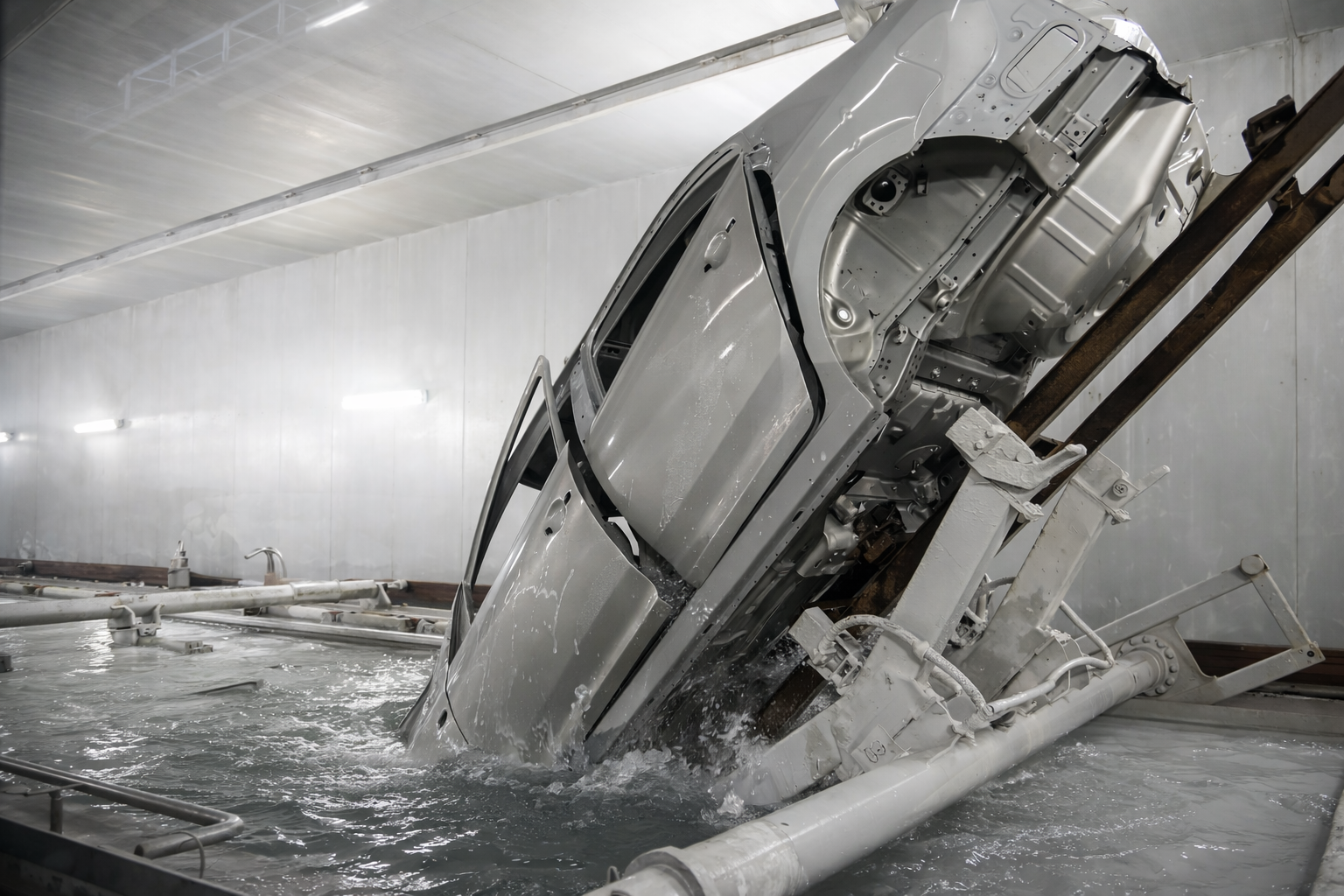
What is e-coat and why does it matter?
E-coating involves immersing vehicle bodies in a water-based bath and applying an electrical charge to deposit a protective coating. This process ensures even coverage, including hard-to-reach areas and is critical for corrosion prevention and aesthetic quality. Any disruption in this system can compromise the integrity of the entire vehicle finish.
Consequences for quality
When microbiological growth is allowed to occur within e-coat fluid, it can have significant negative impacts:
- Pin-holing and cratering: Tiny holes allow moisture ingress, accelerating corrosion
- Color variations and poor adhesion: Resulting in peeling or flaking
- Structural vulnerability: Reduced durability of critical components
These defects often remain hidden until vehicles are in service, leading to warranty claims and reputational damage.
Financial impact
The costs of contamination extend far beyond rework:
- Production downtime: Emergency shutdowns for tank cleaning can halt assembly lines for weeks
- Rework and scrap: Defective bodies require stripping and recoating, consuming labor and materials
- Warranty and recalls: Corrosion-related failures can trigger expensive after-sales repairs
- Regulatory compliance: Contaminated e-coat sludge is now classified as a regulated byproduct under U.S. EPA standards, adding disposal costs and compliance risks
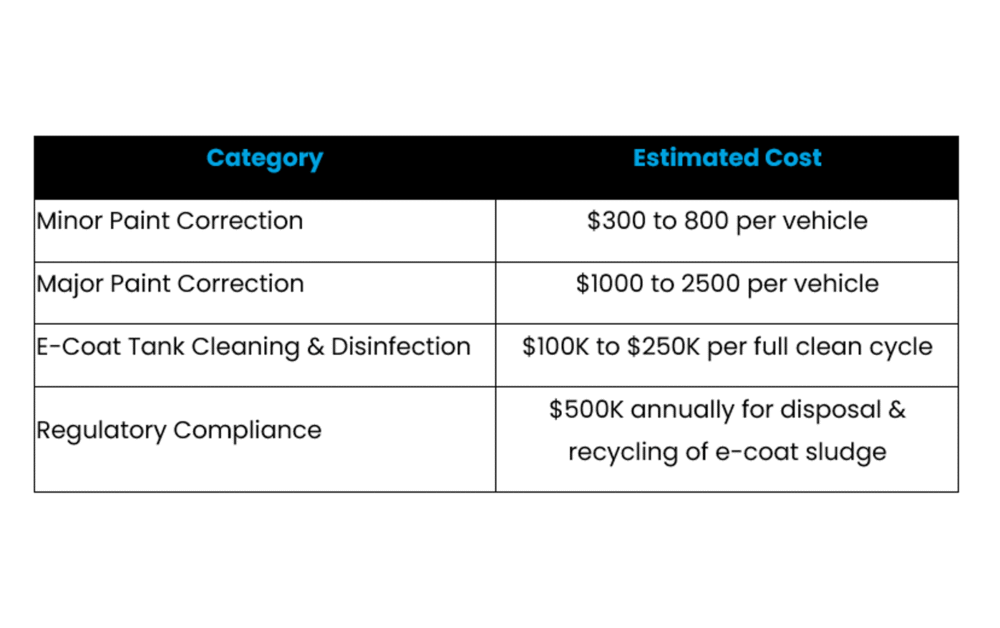
Cost breakdown at a glance
Here’s a quick snapshot of the financial impact of e-coat contamination in automotive manufacturing:
Options for Microbial Monitoring Programs
Traditional microbiological test methods take 2-10 days to acquire results, and by that time, serious problems could have already become established. Automobile manufacturers should consider rapid microbiological test methods for e-coat contamination management because they offer significant operational and financial advantages compared to traditional culture-based methods:
- Faster detection and response: Rapid methods such as ATP bioluminescence provides results in minutes rather than days, enabling immediate corrective action and preventing large-scale production issues
- Reduced downtime and cost: Early detection minimizes the need for full tank cleanouts and extended line shutdowns
- Improved quality and warranty risk mitigation: Microbial contamination in e-coat baths can lead to poor adhesion, corrosion failures, and cosmetic imperfections requiring rework. Rapid testing ensures continuous monitoring and quick intervention, reducing the risk of defects that could result in multi-million-dollar warranty claims
The bottom line
E-coat contamination is not just a technical issue—it’s a business risk. With automotive plants operating on tight margins and just-in-time schedules, any disruption can cascade into significant financial and reputational damage.
Rapid microbiological testing transforms contamination control from a reactive to a proactive process. This facilitates significant savings in time and costs while safeguarding product quality. Investing in robust contamination control measures is essential for quality assurance and long-term profitability.
Explore Luminultra resources
Make confident decisions with trusted expertise.
Discover webinars, whitepapers and expert articles focused on microbial control.
Luminultra introduces the Bugcount® analyzer ATP measurement platform, redefining the standard in microbial testing
The company’s flagship product combines 30 years of microbial expertise with trusted user feedback to produce a next-generation device built to streamline testing, accelerate decisions and strengthen control across critical systems.
Bugcount ,
Wastewater treatment , Drinking water , Legionella management , Microbial contamination , Efficiency loss and biofilm buildup , Biocide management and optimization , Protect product quality , Keep lines running , Stay ahead of MIC , Keep source water clean , Protect reservoir quality , Prevent biofilm build-up , Optimize biocide performance , Commercial aviation , Non-commercial aviation , Marine , Fuel storage ,
Upcoming webinar | Using ATP to monitor regrowth in drinking water distribution systems
Tuesday, March 17 Register now This concise, practical webinar provides a foundational understanding of how Adenosine Triphosphate (ATP) testing can be used to monitor microbial regrowth and support operational decision-making in drinking water distribution systems. Designed for operators, water quality professionals, and laboratory teams, the session explores how microorganisms respond to treatment processes and […]
Bugcount ,
Drinking water ,

Seeing what other tests can’t: How EPCOR used ATP monitoring to strengthen drinking water operations
For drinking water utilities, keeping biologically stable water all the way to the customer’s tap is a daily challenge. Even with strong treatment processes, changes in temperature, flow, or stagnation can trigger microbial regrowth inside the distribution system. Traditionally, operators have relied on heterotrophic plate counts (HPCs) and disinfectant residuals to flag issues, but these […]
Bugcount ,
Drinking water ,
Luminultra strengthens position in European water diagnostics market with strategic acquisition of GL Biocontrol
The acquisition marks Luminultra’s eighth in eight years – each one a targeted step toward building a more comprehensive, client-focused solutions portfolio.
Bugcount , Labs ,
Drinking water , Legionella management ,
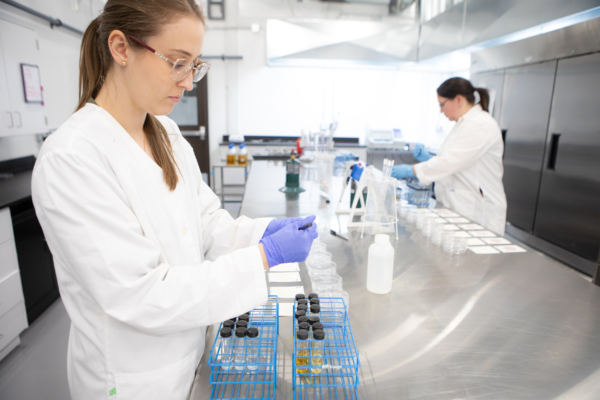
Relay™ by Luminultra
Relay™ is a value-add software tool that simplifies and guides your ATP testing, available at no cost to all customers.
Relay ,

Diagnosing inefficient biological phosphorus removal
By leveraging Luminultra’s mail-in GeneCount services, a wastewater treatment plant was able to identify the underlying causes of poor biological phosphorus removal in one of their two bioreactors.
Genecount ,
Wastewater treatment ,

Measuring living biomass in bioreactors with ATP monitoring
Bioreactors harness the ability of naturally-occurring microorganisms to break down environmental contaminants discharged from cities and industries.
Bugcount ,
Wastewater treatment ,
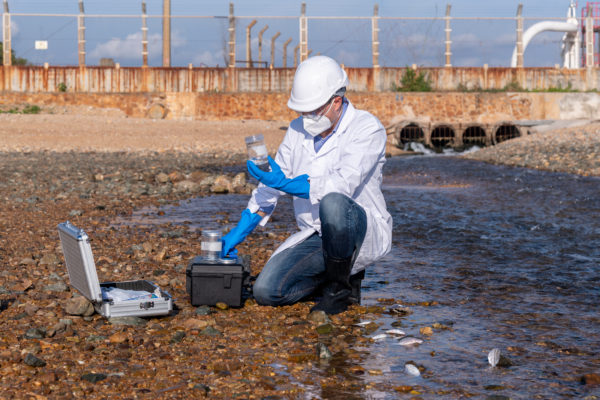
Understanding loss of nitrification at a refinery wastewater treatment plant using 16S rRNA sequencing
A refinery wastewater treatment plant was monitored over several years to investigate the loss of complete nitrification.
Labs ,
Wastewater treatment ,