







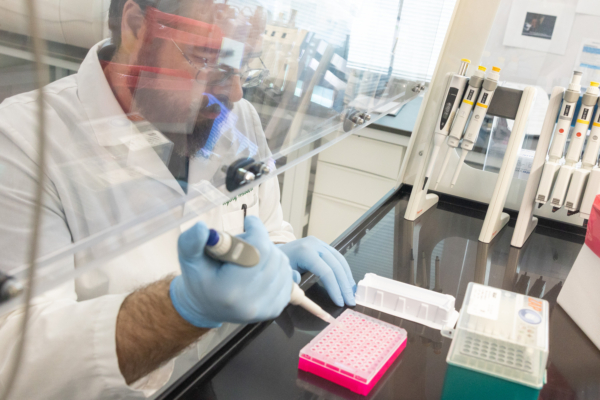





Explore our library of webinars, case studies and articles designed to help you solve microbial challenges with clarity and confidence. From practical how-tos to in-depth research, these resources give you the knowledge to make better decisions, faster.
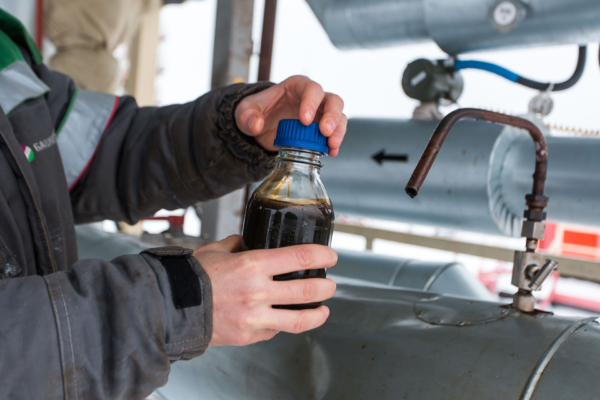
A practical primer on using DNA-based microbial diagnostics in oil and gas operations
DNA-based microbial diagnostics, such as quantitative PCR (qPCR) and next-generation sequencing (NGS), are increasingly used as routine tools in oil and gas operations. When combined with ATP testing, these methods allow operators and service companies to better understand microbial risks and apply targeted mitigation strategies as part of everyday field and facility workflows. At their […]
Bugcount , Genecount , Labs ,
Efficiency loss and biofilm buildup , Stay ahead of MIC , Prevent biofilm build-up ,
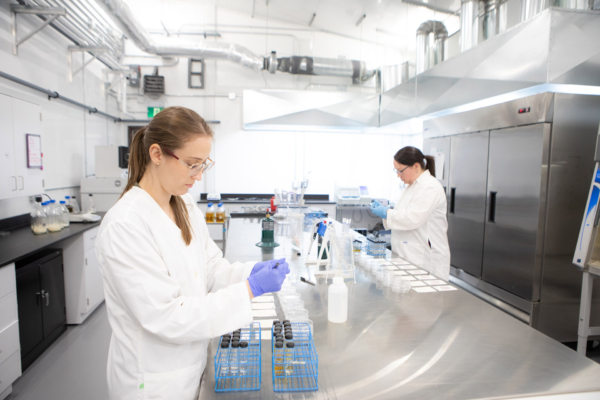
A transformative year for Luminultra’s Food & Beverage team
Over the past year, Luminultra’s Food and Beverage team has experienced meaningful growth marked by innovation, expanded capabilities and strengthened partnerships. We’re proud of the progress made in supporting processors across North America as they advance food safety, hygiene verification and microbial monitoring programs. Here are some highlights from this period of strategic action and […]
Labs ,
A more complete picture of cleanliness , Accredited food microbiology testing , Resolve spoilage challenges ,
We bring microbial expertise and deep industry knowledge together to help you solve complex challenges and make confident decisions.


Whether you’re in the lab or in the field, we’re here to help you keep the work on track.

I need help getting started
Have a general inquiry or just need some direction? Send us your question and we’ll get you an answer
I need customer support
Need help with a product or test? Our customer experience team can help


Hidden in plain sight – Nitrifying bacteria in monochlorinated distribution systems
If you are using heterotrophic plate counts (HPCs) to identify nitrifying bacteria – you won’t find them.
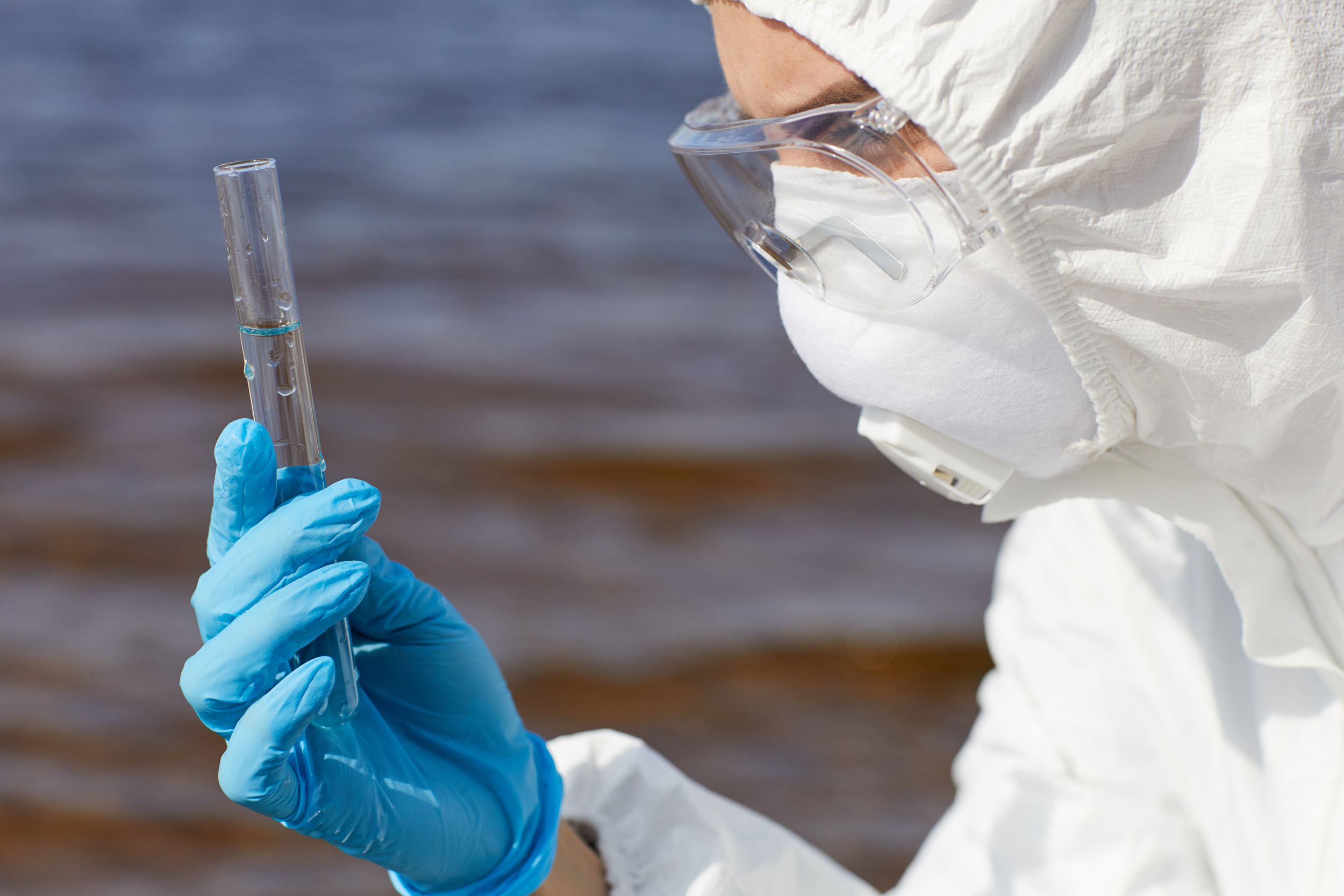
If you are using heterotrophic plate counts (HPCs) to identify nitrifying bacteria – you won’t find them.
As it mentions in the name, HPCs only measure heterotrophic bacteria.
These organisms feed off organic carbon compounds like fats, carbohydrates, and proteins while autotrophic bacteria produce their own food from basic energy sources like sunlight or chemical energy. Because of these differences in metabolic pathways, autotrophic organisms – like nitrifying bacteria – are not detected with standard plate counts.
Why does it matter?
Nitrifying bacteria are broken into two co-dependent groups: bacteria that will convert ammonia to nitrates (ammonia-oxidizing bacteria and ammonia-oxidizing archaea) and organisms that will convert nitrites to nitrates (Nitrobacter and Nitrospira).
These make up the nitrogen cycle which in other applications is a good and necessary part of our lives (Abhinav, 2012). In a monochloraminated distribution system however, these microorganisms can contribute to biofilm formation, loss of disinfectant residual, protection of other organisms, and microbially influenced corrosion (MIC), therefore, it’s important to monitor for and protect against them.
If they can’t be detected with HPCs, how do distribution operators accomplish this?
The management of chloraminated water systems typically involves maintaining a delicate balance between chlorine, ammonia, and pH. Several factors such as changing disinfectant demand, biofilm, and variations in naturally-occurring ammonia levels can all influence this ratio.
When the ratio is upset, it can result in a surplus of ammonia, facilitating the growth of nitrifying bacteria. Monitoring levels of ammonia, nitrates, and nitrites can indicate that nitrification may be occurring but, without the ability to measure autotrophic bacteria, it can be difficult to determine the extent to which it’s occurring or to pinpoint the source of the issue. This is where ATP monitoring can help. Measuring ATP (adenosine triphosphate) levels allows operators to immediately quantify the size of the total microbial population. Therefore, microbiological growth can be identified before nitrifying bacteria are able to colonize the system and well before nitrite and nitrates levels reach concerning levels. Operators no longer have to rely on chemical tests alone to characterize the issue and can proactively identify and treat microbial issues anywhere in the distribution system.
While the increased use of monochloramine may have benefits in terms of stabilizing chlorine and reducing disinfection by-product formation, there is a trade-off in the form of nitrification that must be kept in mind. And, while there are tools that can be used as indicators, HPCs will leave you in the dark when it comes to contamination from autotrophic bacteria. Ask us how we can help provide a proactive solution for the monitoring and control of nitrifying bacteria regrowth in your distribution system.
Bibliography:
Abhinav, V. (2012, July 20). Nitrifying bacterium. Retrieved from Encyclopaedia Britannica: https://www.britannica.com/science/nitrifying-bacterium
Fritz Industries. (n.d.). Autotropic Vs. Heterotrophic Bacteria. Retrieved from BioCon Labs: http://www.bioconlabs.com/autoheterobac.html
Gale, T. (2006). Heterotrophic Bacteria. Thomson Corporation.

Explore Luminultra resources
Make confident decisions with trusted expertise.
Discover webinars, whitepapers and expert articles focused on microbial control.
Seeing what other tests can’t: How EPCOR used ATP monitoring to strengthen drinking water operations
For drinking water utilities, keeping biologically stable water all the way to the customer’s tap is a daily challenge. Even with strong treatment processes, changes in temperature, flow, or stagnation can trigger microbial regrowth inside the distribution system. Traditionally, operators have relied on heterotrophic plate counts (HPCs) and disinfectant residuals to flag issues, but these […]
Bugcount ,
Drinking water ,

Luminultra strengthens position in European water diagnostics market with strategic acquisition of GL Biocontrol
The acquisition marks Luminultra’s eighth in eight years – each one a targeted step toward building a more comprehensive, client-focused solutions portfolio.
Bugcount , Labs ,
Drinking water , Legionella management ,
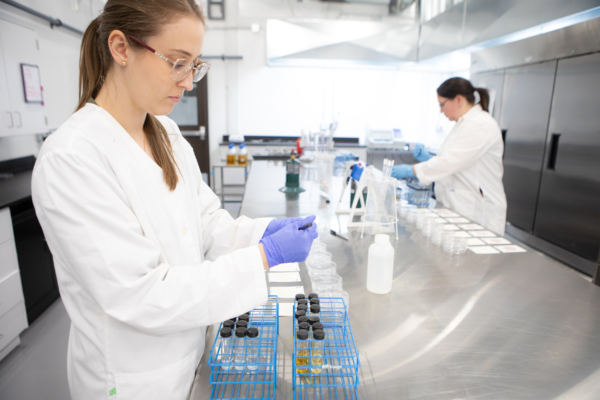
Relay™ by Luminultra
Relay™ is a value-add software tool that simplifies and guides your ATP testing, available at no cost to all customers.
Relay ,
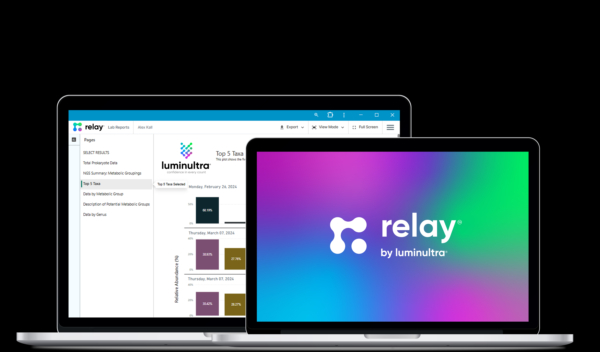
Diagnosing inefficient biological phosphorus removal
By leveraging Luminultra’s mail-in GeneCount services, a wastewater treatment plant was able to identify the underlying causes of poor biological phosphorus removal in one of their two bioreactors.
Genecount ,
Wastewater treatment ,
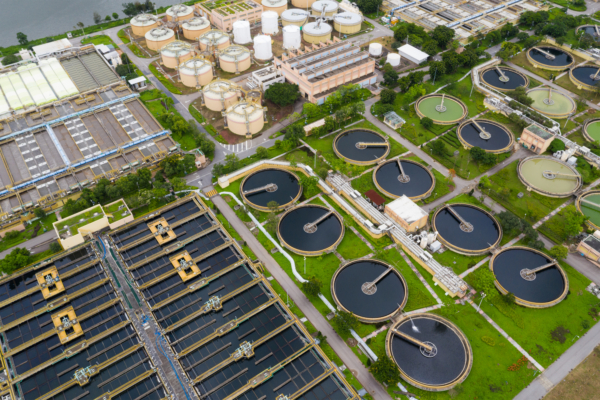
Measuring living biomass in bioreactors with ATP monitoring
Bioreactors harness the ability of naturally-occurring microorganisms to break down environmental contaminants discharged from cities and industries.
Bugcount ,
Wastewater treatment ,
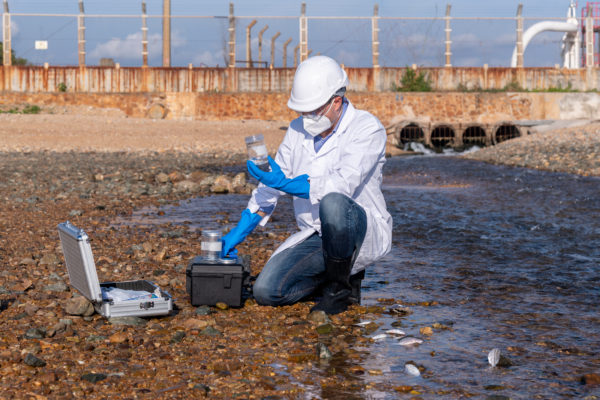
Understanding loss of nitrification at a refinery wastewater treatment plant using 16S rRNA sequencing
A refinery wastewater treatment plant was monitored over several years to investigate the loss of complete nitrification.
Labs ,
Wastewater treatment ,


Identifying contaminated groundwater wells with ATP testing
Bugcount , Labs ,
Drinking water ,

Why you should pay attention to biofilms
Understanding the complexity of biofilms and their impact on systems
Labs ,
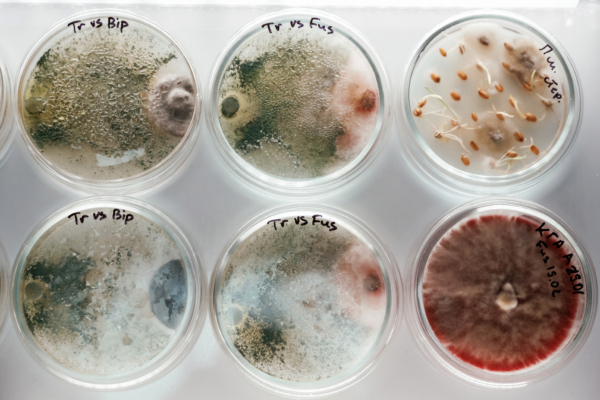
Biomass inventory management using 2nd Generation ATP®
The activated sludge process is used to concentrate the biomass which naturally degrades carbonaceous substances found in most industrial and municipal waste waters.
Bugcount ,
Wastewater treatment ,