













You’ve likely heard of ATP technology, but may not have had the time to fully explore the value it can bring to your existing microbial monitoring program.
Explore our library of webinars, case studies and articles designed to help you solve microbial challenges with clarity and confidence. From practical how-tos to in-depth research, these resources give you the knowledge to make better decisions, faster.
Blog
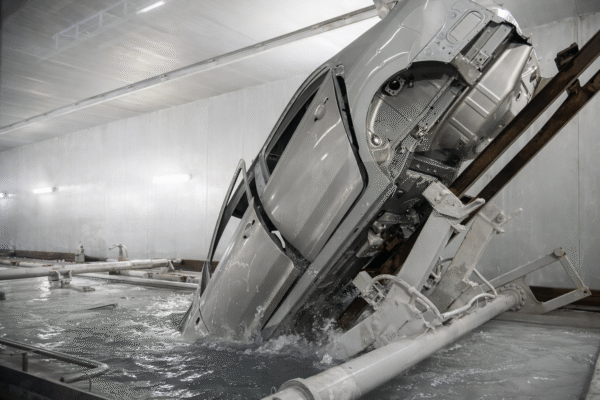
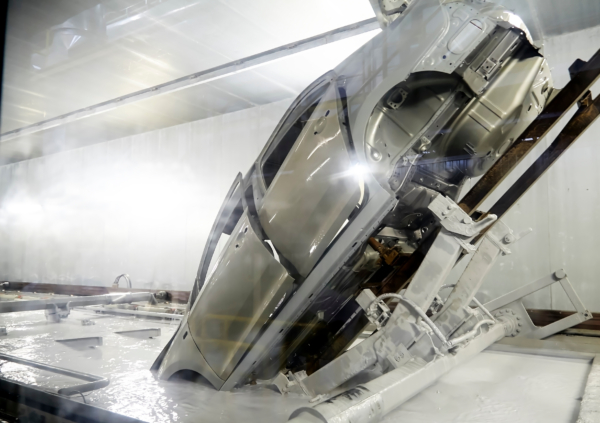
Costs and consequences of contaminated e-coat fluid in automotive manufacturing
Electrocoating (e-coat) is a cornerstone of modern automotive manufacturing, providing corrosion resistance and a uniform primer layer before painting. However, when the e-coat fluid becomes contaminated, the ripple effects can be severe—impacting product quality, operational efficiency and profitability.
Water , Speciality products ,
Bugcount ,
Stay ahead of MIC , Keep source water clean , Protect reservoir quality ,
Bugcount ,
Stay ahead of MIC , Keep source water clean , Protect reservoir quality ,
Blog
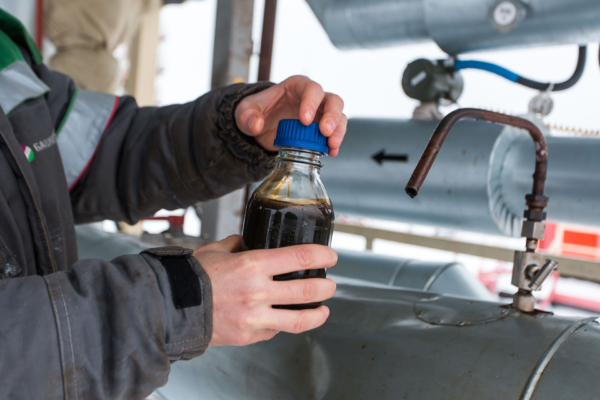
A practical primer on using DNA-based microbial diagnostics in oil and gas operations
DNA-based microbial diagnostics, such as quantitative PCR (qPCR) and next-generation sequencing (NGS), are increasingly used as routine tools in oil and gas operations. When combined with ATP testing, these methods allow operators and service companies to better understand microbial risks and apply targeted mitigation strategies as part of everyday field and facility workflows. At their […]
Oil and gas , Energy ,
Bugcount , Genecount , Labs ,
Efficiency loss and biofilm buildup , Stay ahead of MIC , Prevent biofilm build-up ,
Bugcount , Genecount , Labs ,
Efficiency loss and biofilm buildup , Stay ahead of MIC , Prevent biofilm build-up ,
We bring microbial expertise and deep industry knowledge together to help you solve complex challenges and make confident decisions.
Whether you’re in the lab or in the field, we’re here to help you keep the work on track.

I need help getting started
Have a general inquiry or just need some direction? Send us your question and we’ll get you an answer
I need customer support
Need help with a product or test? Our customer experience team can help


Search Results
The cost of high solids in your wastewater treatment plant
High solids raise energy costs in wastewater plants. Optimizing MLSS and ABR boosts efficiency and lowers expenses.
How to use ATP and DNA in a wastewater nitrification monitoring plan
Ammonia can be biologically removed from wastewater by ammonia-oxidizing bacteria (AOB) and archaea (AOA) that convert ammonia to nitrite.
Can microbial-based metalworking fluids outperform traditional water-based fluids?
Microbial metalworking fluids can reduce friction, tool wear, and improve surface finish compared to water-based fluids.
vermicon expands portfolio through strategic partnership with Luminultra – enabling holistic microbiological monitoring
December 16, 2025. Hallbergmoos / Fredericton – vermicon AG is expanding its microbiological monitoring capabilities in the DACH region through a strategic partnership with Luminultra. By integrating Luminultra’s 2nd Generation ATP® Technology, the existing portfolio gains a rapid, quantitative method for determining total and viable microbial cell counts. Combined with the VIT® gene probe technology, […]
Diagnosing inefficient biological phosphorus removal
By leveraging Luminultra’s mail-in GeneCount services, a wastewater treatment plant was able to identify the underlying causes of poor biological phosphorus removal in one of their two bioreactors.
Biomass inventory management using 2nd Generation ATP®
The activated sludge process is used to concentrate the biomass which naturally degrades carbonaceous substances found in most industrial and municipal waste waters.
The undeniable link between biological growth & pipeline degradation
Much has been said about the immediate benefits of 2nd Generation ATP monitoring to reveal regrowth hotspots in water distribution system.
How do microorganisms impact oil & gas extraction?
People are often surprised to learn that water is a very important part of oil and gas extraction.
Sequencing your bioreactor – Who’s doing the work?
Advancements in metagenomics is allowing us to question old assumptions about wastewater treatment.