













Explore our library of webinars, case studies and articles designed to help you solve microbial challenges with clarity and confidence. From practical how-tos to in-depth research, these resources give you the knowledge to make better decisions, faster.

Protect Performance, Preserve Production: The Operator’s Guide to Microbial Risk Management
Bugcount , Genecount , Labs , Polytechnic , Relay ,
Stay ahead of MIC , Keep source water clean , Protect reservoir quality , Prevent biofilm build-up , Optimize biocide performance , Unified testing and reporting ,
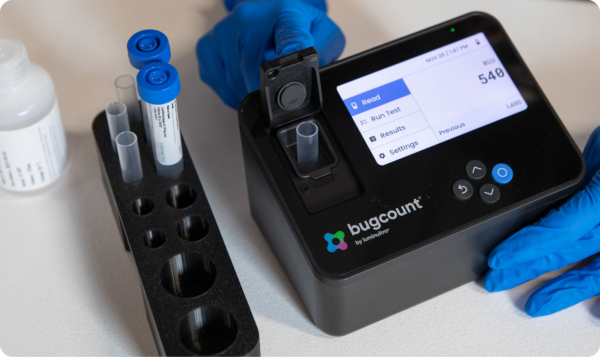
Luminultra introduces the Bugcount® analyzer ATP measurement platform, redefining the standard in microbial testing
The company’s flagship product combines 30 years of microbial expertise with trusted user feedback to produce a next-generation device built to streamline testing, accelerate decisions and strengthen control across critical systems.
Bugcount ,
Wastewater treatment , Drinking water , Legionella management , Microbial contamination , Efficiency loss and biofilm buildup , Biocide management and optimization , Protect product quality , Keep lines running , Stay ahead of MIC , Keep source water clean , Protect reservoir quality , Prevent biofilm build-up , Optimize biocide performance , Commercial aviation , Non-commercial aviation , Marine , Fuel storage ,
We bring microbial expertise and deep industry knowledge together to help you solve complex challenges and make confident decisions.


Whether you’re in the lab or in the field, we’re here to help you keep the work on track.

I need help getting started
Have a general inquiry or just need some direction? Send us your question and we’ll get you an answer
I need customer support
Need help with a product or test? Our customer experience team can help


Expert insights for smarter microbial control
Explore our library of webinars, case studies and articles designed to help you solve microbial challenges with clarity and confidence. From practical how-tos to in-depth research, these resources give you the knowledge to make better decisions, faster.


How to achieve your wastewater treatment goals with ATP testing
1211
The first half is easy: Run tests anywhere that you currently run MLSS tests, as well as anywhere else that you’re curious about the state of your biomass.

How can you quickly implement ATP Monitoring in your drinking water system?
1166
You’ve likely heard of ATP technology, but may not have had the time to fully explore the value it can bring to your existing microbial monitoring program.

How can I use NGS to improve my industrial process?
1164
Next-Generation Sequencing (NGS) is a tool that has revolutionized many fields of study.

6 reasons why the GeneCount® qPCR Corrosion Collection transforms microbial monitoring in oil and gas systems
1156
The Luminultra GeneCount® qPCR Corrosion Collection is a complete suite of DNA-based monitoring tools to help detect and manage microbes involved in microbiologically influenced corrosion (MIC).
The cost of high solids in your wastewater treatment plant
1153
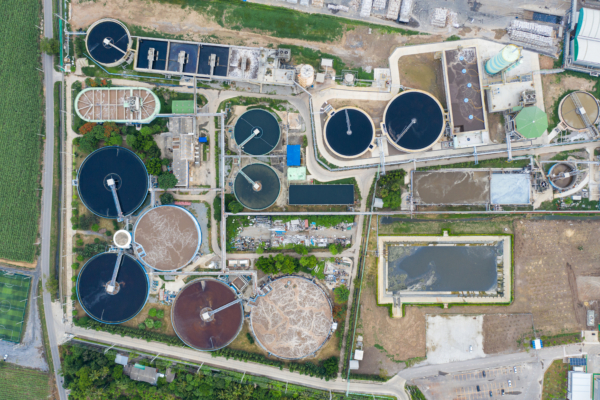
High solids raise energy costs in wastewater plants. Optimizing MLSS and ABR boosts efficiency and lowers expenses.
How to use ATP and DNA in a wastewater nitrification monitoring plan
1214
Ammonia can be biologically removed from wastewater by ammonia-oxidizing bacteria (AOB) and archaea (AOA) that convert ammonia to nitrite.


Can microbial-based metalworking fluids outperform traditional water-based fluids?
1137
Microbial metalworking fluids can reduce friction, tool wear, and improve surface finish compared to water-based fluids.


Not sure what you need? Let’s figure it out together
Talk to a Luminultra expert and get clear answers, fast.