













Explore our library of webinars, case studies and articles designed to help you solve microbial challenges with clarity and confidence. From practical how-tos to in-depth research, these resources give you the knowledge to make better decisions, faster.

Upcoming webinar | Beyond compliance: smarter hygiene monitoring for safer food processing
How evidence-based hygiene monitoring and total adenylate testing helps processors reduce risk, stay audit-ready and lead with confidence Thursday, Jan. 29 2 p.m. ET Register now free of charge
A more complete picture of cleanliness ,
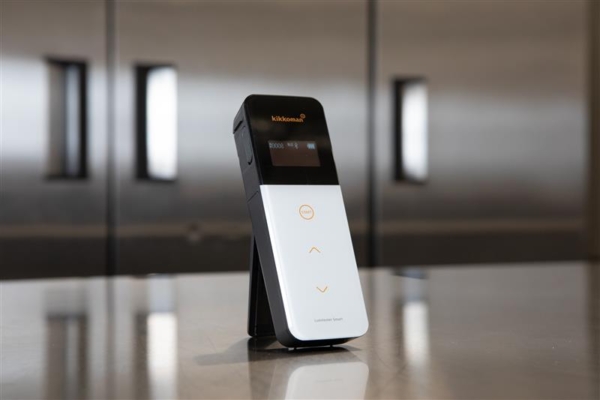
Total adenylate testing solution earns ISSA excellence award
The future of sanitation verification is A3. In December 2025, Kikkoman Biochemifa’s Lumitester SMART system and Lucipac A3 swab technology were recognized with the ISSA Excellence Award, one of the cleaning and hygiene industry’s most respected honors. This recognition is significant not only for Kikkoman, but for the entire food and beverage industry, and those […]
A more complete picture of cleanliness ,
We bring microbial expertise and deep industry knowledge together to help you solve complex challenges and make confident decisions.


Whether you’re in the lab or in the field, we’re here to help you keep the work on track.

I need help getting started
Have a general inquiry or just need some direction? Send us your question and we’ll get you an answer
I need customer support
Need help with a product or test? Our customer experience team can help


ATP degradation in food processing: implications for cleaning verification and risk management
Cleaning verification is a cornerstone of every food safety program, but what if the industry’s most widely used rapid hygiene test is missing significant contamination?
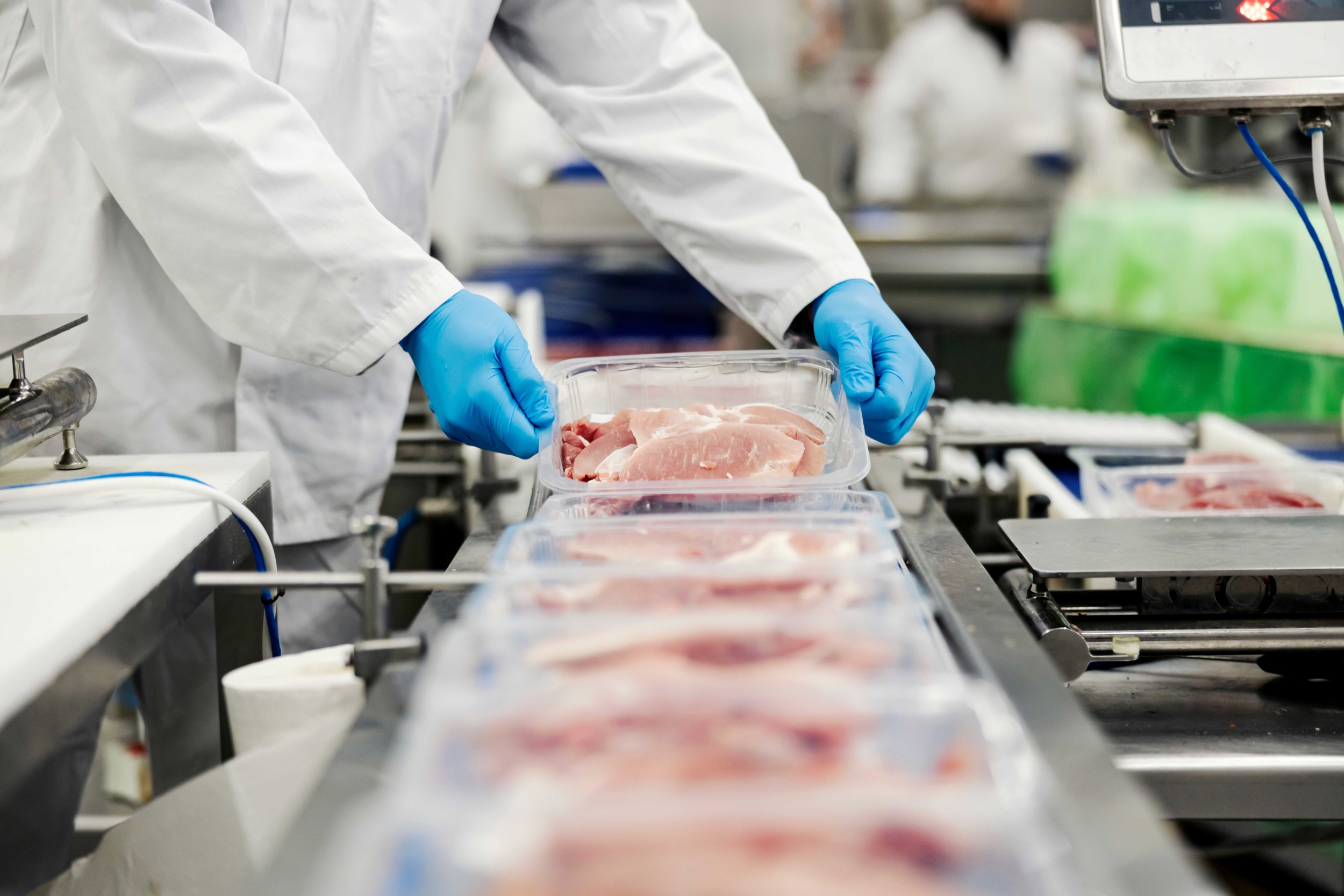
This white paper explains why conventional ATP-only tests can produce false negatives, especially in real food processing environments where ATP quickly degrades into ADP and AMP. According to research highlighted in the paper from the University of Wisconsin–Madison, ADP can account for up to 90% of total adenylates in raw or processed meat, while AMP becomes predominant after cooking. These degradation pathways mean that ATP-only swabs often underestimate soil loads, giving facilities a misleading sense of hygiene compliance.
This paper breaks down the science behind adenylate metabolism, shows how processing steps (like grinding or heating) shift ATP/ADP/AMP ratios, and explains why total adenylate testing (ATP+ADP+AMP) offers substantially higher sensitivity for detecting residual contamination especially in high-risk environments like dairy, meat, seafood, and complex food matrices.
Whether you manage sanitation, QA/FSQA, validation, or environmental programs, this evidence-based guide will help you evaluate whether your current hygiene verification tools are truly fit for purpose and what to consider when modernizing your approach.
Download the white paper to learn how improved detection can strengthen food safety, protect processing integrity, and reduce risk.
Explore Luminultra resources
Make confident decisions with trusted expertise.
Discover webinars, whitepapers and expert articles focused on microbial control.
Upcoming webinar | Beyond compliance: smarter hygiene monitoring for safer food processing
How evidence-based hygiene monitoring and total adenylate testing helps processors reduce risk, stay audit-ready and lead with confidence Thursday, Jan. 29 2 p.m. ET Register now free of charge
A more complete picture of cleanliness ,
Total adenylate testing solution earns ISSA excellence award
The future of sanitation verification is A3. In December 2025, Kikkoman Biochemifa’s Lumitester SMART system and Lucipac A3 swab technology were recognized with the ISSA Excellence Award, one of the cleaning and hygiene industry’s most respected honors. This recognition is significant not only for Kikkoman, but for the entire food and beverage industry, and those […]
A more complete picture of cleanliness ,
Download the A3 brochure
A more complete picture of cleanliness ,
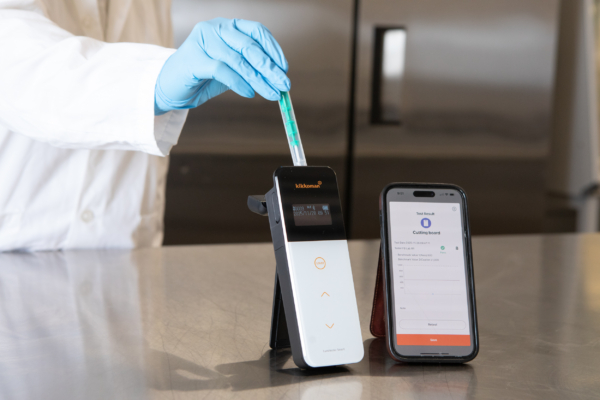
Webinar on-demand: Confidence over compliance – Raising the bar with total adenylate monitoring for advanced food safety
A more complete picture of cleanliness ,
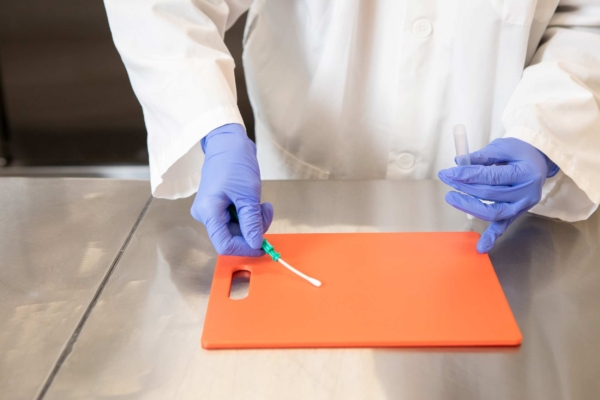
Luminultra and Kikkoman partner to bring smarter food safety testing to North America
Luminultra has partnered with Kikkoman Biochemifa to expand access to its advanced food safety and hygiene monitoring tools across North America.
Bugcount ,
A more complete picture of cleanliness ,
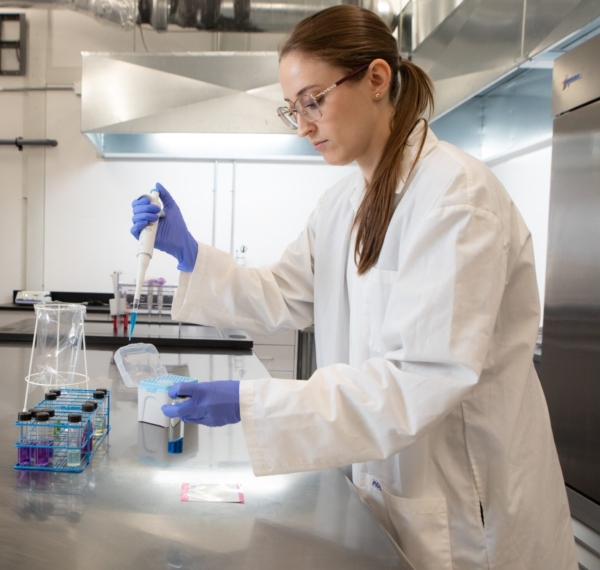
Relay™ by Luminultra
Relay™ is a value-add software tool that simplifies and guides your ATP testing, available at no cost to all customers.
Relay ,

Why you should pay attention to biofilms
Understanding the complexity of biofilms and their impact on systems
Labs ,
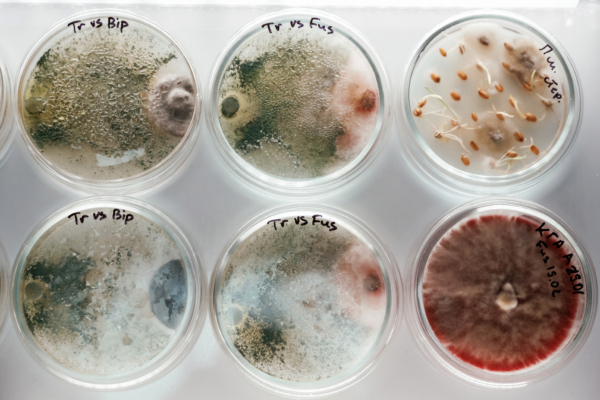
Automated ATP monitoring of a tunnel pasteurizer enables improved microbial control with 2nd Generation ATP® testing
Bugcount ,
Microbial contamination , Biocide management and optimization ,